
 by
by Selecting the right lot(homesite) is one of the most critical decisions you’ll make when building a new home in Florida. While the home design itself is important, the lot you choose will affect your daily living experience, property value, and long-term satisfaction for years to come. From sun exposure and water views to traffic patterns and future neighborhood development, each factor plays a significant role in determining whether your lot is truly the right fit.
This comprehensive guide will help you navigate the key considerations when evaluating lots in Florida’s new construction communities, ensuring you make an informed decision that aligns with your lifestyle and investment goals.
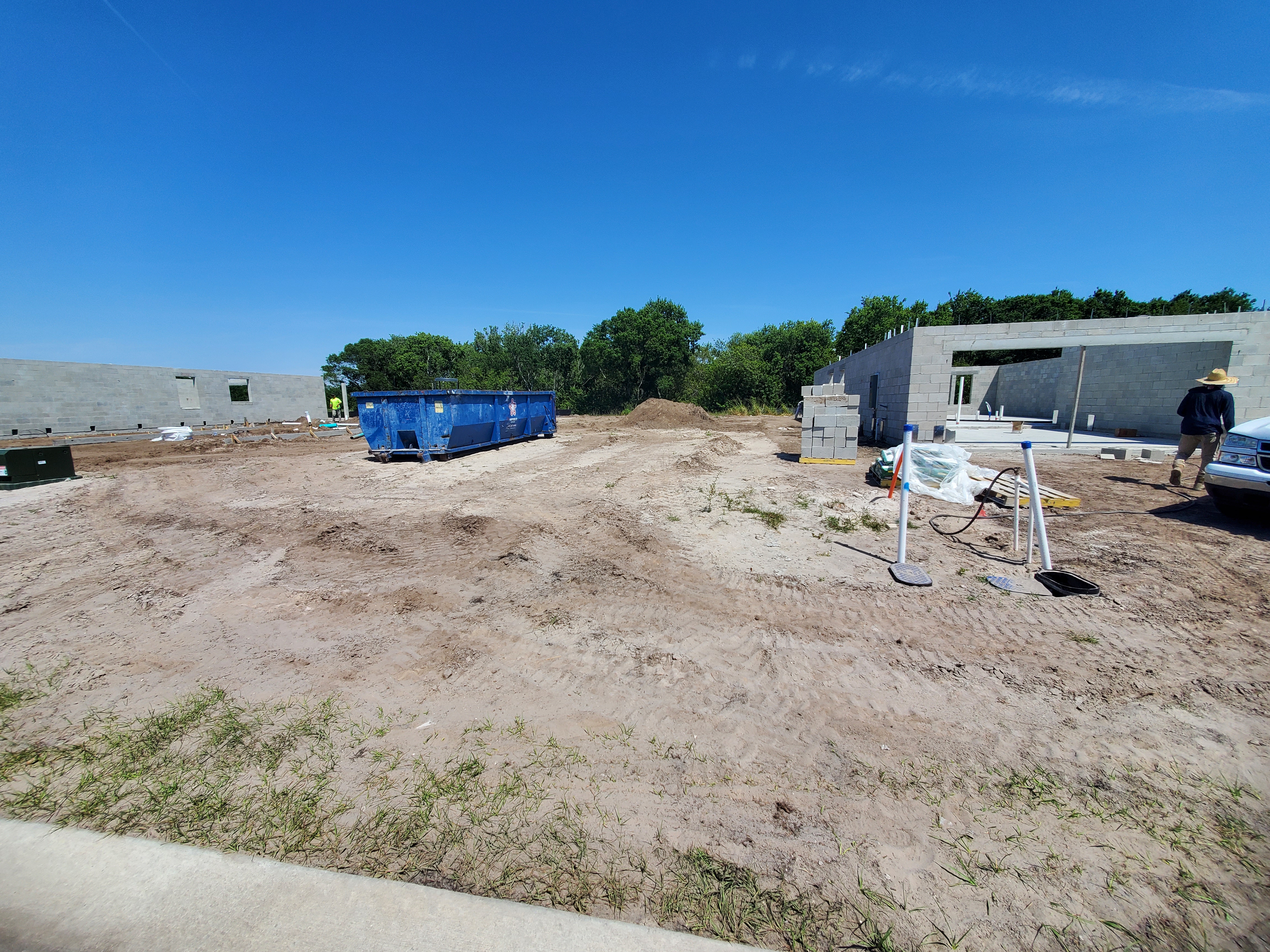
Understanding Sun Exposure: Florida’s Most Important Consideration ☀️
In Florida’s subtropical climate, sun exposure isn’t just about aesthetics; it directly impacts your energy bills, outdoor comfort, and home maintenance. The intense Florida sun can be both a blessing and a challenge, depending on how your home is positioned on the lot.
West-Facing Backyards: The Double-Edged Sword 🌅
West-facing home sites receive intense afternoon and evening sun, which means your backyard, pool, and outdoor living spaces will be bathed in sunlight during the hottest part of the day. While this creates stunning sunset views, it also means your air conditioning will work harder to cool the back of your home, and you’ll spend more on energy -s 💰. The western exposure also accelerates fading of outdoor furniture, deck materials, and any exterior finishes on the back of your home.
However, west-facing lots do have advantages. If you enjoy evening outdoor activities and want a pool that stays warm later into the evening, this orientation can be ideal. Many homeowners find that strategic landscaping, such as planting fast-growing shade trees 🌳 or installing pergolas, can mitigate the harsh afternoon sun while still allowing you to enjoy the space.
East-Facing Backyards: The Morning Advantage 🌄
East-facing lots receive gentle morning sun and shade in the afternoon, making them highly desirable for most Florida homeowners. Your backyard will be comfortable for afternoon and evening use, your pool area will be naturally shaded during the hottest hours, and your energy bills will typically be lower since the back of your home stays cooler.
The trade-off is that your front yard (typically facing west in this scenario) will bear the brunt of the afternoon sun, potentially requiring more irrigation and maintenance for landscaping. However, most homeowners find this a worthwhile compromise for a comfortable backyard.
North and South Orientations 🧭
North-facing backyards receive consistent shade throughout the day, which keeps outdoor spaces cool but may result in a cooler pool and limited natural light in rear rooms. South-facing backyards get sun throughout the day, providing excellent natural light but requiring robust cooling systems and sun protection strategies.
Pond Lots and Water Views: Beauty with Considerations 🦆
Pond and lake lots are among the most sought-after properties in Florida communities, typically commanding premium prices. They offer tranquil water views, wildlife watching opportunities, and a sense of spaciousness that interior lots cannot match. However, these desirable features come with specific considerations that every buyer should understand before committing.
The Premium Price Question 💵
Pond home sites typically – $25,000 to $75,000 more than similar interior lots, with prime locations commanding even higher premiums. Before paying this premium, consider whether you’ll truly utilize and appreciate the water view. If your lifestyle keeps you indoors most of the time, or if you plan to build a tall privacy fence that blocks the view, the investment may not be worthwhile.
Wildlife and Pest Considerations 🐊🦟
Florida’s water bodies attract diverse wildlife. While egrets, herons, and turtles provide entertainment, you’ll also encounter less desirable visitors. Alligators are present in most Florida ponds and lakes, requiring constant vigilance if you have small children or pets 🐕. Mosquitoes, midges, roaches, and other insects thrive near water, often making evening outdoor activities less enjoyable without extensive pest control measures.
Additionally, waterfowl can become a nuisance, leaving droppings on pool decks, driveways, and lawns. Some communities have specific rules about feeding wildlife, which, when violated by neighbors, can exacerbate these issues.
Maintenance and Landscaping Challenges 🌿
Pond lots often have conservation easements or wetland buffers that restrict what you can do with portions of your property. You may not be able to build structures, plant certain vegetation, or modify the land near the water’s edge. These restrictions can limit your usable yard space and landscaping options.
Furthermore, the soil near water bodies is often wetter and may require additional drainage solutions. Some pond lots experience water table issues during Florida’s rainy season ⛈️, potentially affecting pool installation, foundation settling, and landscape drainage.
Retention Ponds vs. Natural Lakes 💧
It’s crucial to distinguish between decorative retention ponds and natural lakes. Retention ponds are engineered stormwater management systems that may experience significant water level fluctuations, algae blooms, and maintenance activities. Natural lakes or community lakes often provide more consistent aesthetics and may offer recreational opportunities, though they still come with many of the wildlife and pest concerns mentioned above.
Corner Lots: Weighing Visibility Against Privacy 🔲
Corner home sites occupy a unique position in neighborhood layouts, offering distinct advantages and disadvantages that aren’t immediately obvious during a quick lot tour. Understanding these trade-offs is essential for determining whether a corner location suits your preferences.
The Advantages of Corner Lots ✨
Corner lots typically offer more natural light, with windows on three sides of the home instead of two. They often provide larger side yards and more flexibility in home placement and design. Many homeowners appreciate having only one immediate neighbor, and corner lots can feel more spacious and open.
From a curb appeal perspective, corner lots showcase your home from multiple angles, which can be advantageous if you take pride in your property’s appearance. They also sometimes offer opportunities for side-entry garages, which some homeowners prefer aesthetically.
The Privacy and Traffic Trade-Offs 👀🚗
The most significant disadvantage of corner lots is reduced privacy. Your home and yard are visible from two streets instead of one, and you’ll have vehicle traffic passing on two sides of your property. If you value backyard privacy for pool activities or outdoor entertaining, a corner lot may not be ideal unless you’re willing to invest significantly in privacy fencing and landscaping.
Fencing requirements are another consideration. Many communities require corner lot owners to install decorative fencing along both street-facing sides, doubling your fencing -s compared to an interior lot. Additionally, corner lots often have larger setback requirements, reducing your buildable area or usable yard space.
Maintenance and HOA Requirements 🏘️
Corner lots require maintaining landscaping along two street frontages instead of one, effectively doubling your curb appeal maintenance obligations. Many HOAs hold corner lot owners to higher standards since their properties are more visible to the community. This can mean more frequent mowing, trimming, and landscape upkeep to meet community standards.
Traffic Noise and Busy Roads: The Hidden Quality of Life Factor 🚦
Traffic noise is one of the most underestimated factors when selecting a lot. During a brief afternoon visit to a community, traffic may seem minimal. However, morning and evening rush hours, weekend activity, and proximity to commercial areas can dramatically change your daily experience.
Proximity to Major Roads and Highways 🛣️
Lots near community entrances or adjacent to main thoroughfares experience constant traffic noise, including the rumble of trucks, motorcycle engines 🏍️, and emergency vehicle sirens 🚨. Even lots several streets away from major roads can be affected if the community layout channels traffic noise in your direction.
In Florida’s climate, where windows are often open during pleasant weather and outdoor living is a lifestyle cornerstone, persistent traffic noise can significantly diminish your quality of life. Background highway noise becomes a constant presence that affects conversations, sleep quality 😴, and outdoor relaxation.
Internal Community Traffic Patterns 🚙
Don’t overlook traffic within the community itself. Home sites near community amenities (pools 🏊, clubhouses, playgrounds 🎪, dog parks 🐕) will experience frequent traffic throughout the day and into the evening. While being close to amenities seems convenient, the constant stream of vehicles, especially during summer months, can be disruptive.
Similarly, through- streets that connect different sections of the community often become shortcuts for residents, generating more traffic than you might expect on what appears to be a quiet residential street.
Evaluating Traffic Noise Before Buying 🔊
Visit your prospective lot at different times: morning rush hour, evening commute, and weekend mornings. Stand in the backyard area and spend at least 15-20 minutes listening to the ambient noise. Ask the builder or developer about future road expansions or changes to traffic patterns. Check local planning documents for any proposed road widening or new commercial development that could increase traffic over time.
Future Build-Outs and Community Development: Planning for Change 🏗️
One of the most overlooked aspects of lot selection is understanding what the community will look like once fully built out. That charming view of preservation land or the quiet cul-de-sac feeling may not last if you don’t research the community’s long-term development plans.
Understanding the Master Plan 📋
Request the community’s master plan from the builder or developer. This document shows all planned home sites, future phases, amenity locations, and preserve areas. Pay close attention to vacant lots near your prospective property. What seems like an open space view today might become a neighbor’s backyard tomorrow.
Some communities develop in phases over several years ⏳. If you’re buying in Phase 1, you may experience years of construction noise, dirt, and traffic as subsequent phases are built. This can be particularly disruptive if your lot backs up to undeveloped land that will eventually become new home sites.
Commercial Development and Infrastructure 🏪
Research planned commercial development near the community. While convenience to shopping and dining is appealing, commercial areas bring increased traffic, lighting, and noise. That empty lot across the main road might be zoned for a shopping center, gas station ⛽, or medical complex.
Similarly, check with local transportation authorities about planned road expansions. A quiet two-lane road today could become a four-lane highway in five years, dramatically changing your home’s environment and potentially affecting property values.
Preservation and Conservation Areas 🌲
Home sites backing to genuine preservation areas offer long-term protection from future development. However, verify that these areas are permanently protected through conservation easements or governmental ownership. Some ‘preserve’ areas are merely undeveloped land that could potentially be released for future development if regulations change or developers seek modifications.
Future Amenity Construction 🎾
While proximity to future amenities might seem attractive, being immediately adjacent to planned pools, tennis courts, or playgrounds means future noise, lights 💡, and parking lots near your home. Review exactly where amenities will be located and imagine how they’ll affect your daily living experience once operational.
Additional Lot Considerations for Florida Homebuyers 📝
Elevation and Drainage 🌊
Florida’s flat topography makes drainage critical. During site visits, observe how water flows during and after rain. Lots at the low point of a street or community may experience standing water or drainage issues. Ask the builder about the lot’s elevation relative to surrounding properties and what drainage improvements are included.
Utility Easements and Setbacks ⚡
Review the lot’s survey to understand easements and setbacks. Utility easements may run through your backyard, restricting where you can place pools, structures, or even certain landscaping. These restrictions can significantly impact your usable yard space and future improvement plans.
Lot Size and Shape 📐
In Florida communities, lot sizes can vary significantly even within the same neighborhood. Irregular lot shapes or pie-shaped lots in cul-de-sacs may look appealing on paper but can create challenges for pool placement, privacy fencing, or outdoor living space design. Consider how the lot’s dimensions align with your planned home’s footprint and your desired outdoor amenities.
Mature Trees and Existing Vegetation 🌴
Lots with mature trees or significant existing vegetation offer immediate shade and character but may have protected tree ordinances that limit where you can build or what you can clear. While mature landscaping is valuable, ensure the trees are healthy and won’t pose risk to your future home during hurricanes 🌀. Dead or diseased trees on your lot, or on adjacent properties, should factor into your decision.
Making Your Final Decision ✅
Choosing the right lot requires balancing multiple factors: sun exposure, water views, privacy, noise levels, and future development plans. No lot will be perfect in every category, so prioritize the factors that matter most to your lifestyle and long-term plans.
Take your time evaluating lots ⏰. Visit at different times of day and different days of the week. Drive through the community during morning and evening rush hours. Stand on each prospective lot and visualize your daily life there. Talk to current residents if possible, and don’t hesitate to ask the builder tough questions about future development, community plans, and potential challenges.
Remember that while your home can be renovated and updated over time 🔨, your lot’s location and characteristics are permanent. Investing time in thorough lot evaluation will pay dividends in daily satisfaction and long-term property value 📈.
The perfect lot for your Florida dream home is out there. Armed with this knowledge, you’re well-equipped to find it and make a confident, informed decision that you’ll appreciate for years to come! 🎉
- About the Author
- Latest Posts

I’m Rich Noto, a Florida Real Estate Agent & Home Inspector with a focus on the best price house, and quality new construction oversight. I specialize in new house purchases which includes getting homes built to Florida Residential Building Standards and Manufactures Installation Instructions.
I help homebuyers beyond the “standard Real Estate sales agent” (who may disappear after purchase contract) by dealing with sales, construction managers, attending/monitoring inspections, and spotting defects. This helps buyers catch problems early.
Builders pay my commission. Does not apply after buyer is in contract(all builders) or has contacted the builder alone(some builders). This top rated service is available at any town throughout Florida.
Any agent can “sell new homes” or be a “high volume seller” or have “builder relationships”. Sales marketing has nothing to do with understanding constructions defects. Home Defects are the main expense a homeowner will have and can cost home owners thousands of $$$. Depreciating future resale value.
I enjoy teaching my customers how new homes are built. How to identify water intrusion. And the steps to keep a house well maintained to prevent leaks over time. Out of state buyers get special walkthrough and inspection videos.
Whether its a completed move-in ready inventory house, or a to be built custom on the land, or a spec house. You deserve the best quality for your money.
You must be logged in to post a comment.